
Petroleum & Gas Inspectorate | Alert | No.129 V | 17 November 2026
Flare tank fire during petroleum well depressurisation
Summary
- A fire started in a flare tank during well control operations at a petroleum well site near Roma in South West Queensland. It occurred while the well was being depressurised.
- While no-one was injured, an uncontrolled release of gas or condensate during depressurisation and venting can ignite and cause a fire or explosion or an oxygen deficient environment. Workers near the flare tank, manifold or wellhead could be seriously injured or killed.
- Operators and executive safety managers should review their well control plans, risk assessments and worker competency for well control operations, and not rely on procedures alone.
Issue Explained
- Initial information suggests a workover rig was preparing to plug and abandon an older petroleum well.
- The crew shut in the well and once isolated, the fire went out by itself.
- The crew was in the initial stage of establishing well control. This stage involved depressurising the well by bleeding off static gas pressure to a flare tank.
- During depressurisation, condensate from the well carried through the flare line into the flare tank, where it ignited and caused a fire. The operation was intended to vent, rather than flare.
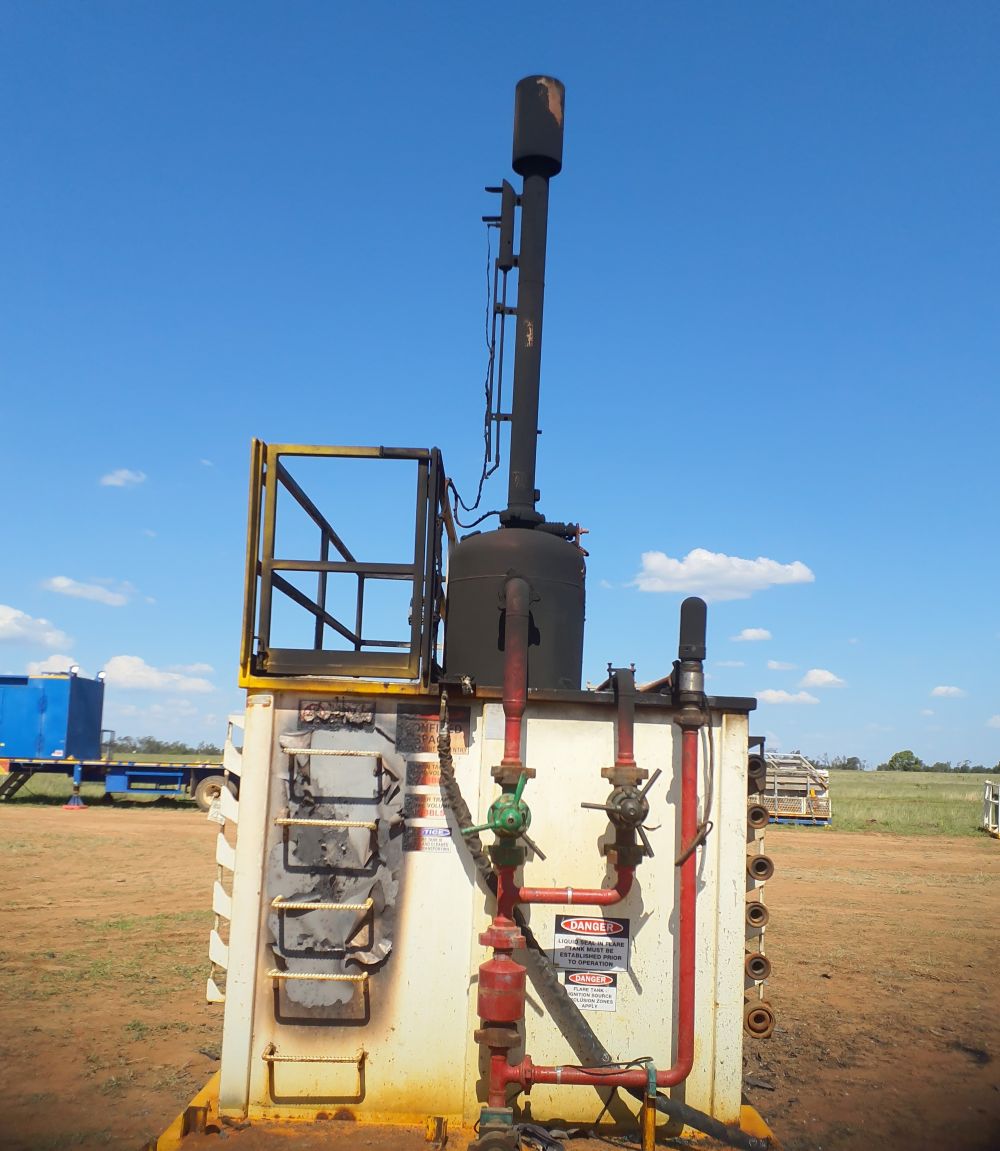
Figure 1: Flare tank after the fire, showing the flare stack, inlet piping and heat damage to paint and signage.
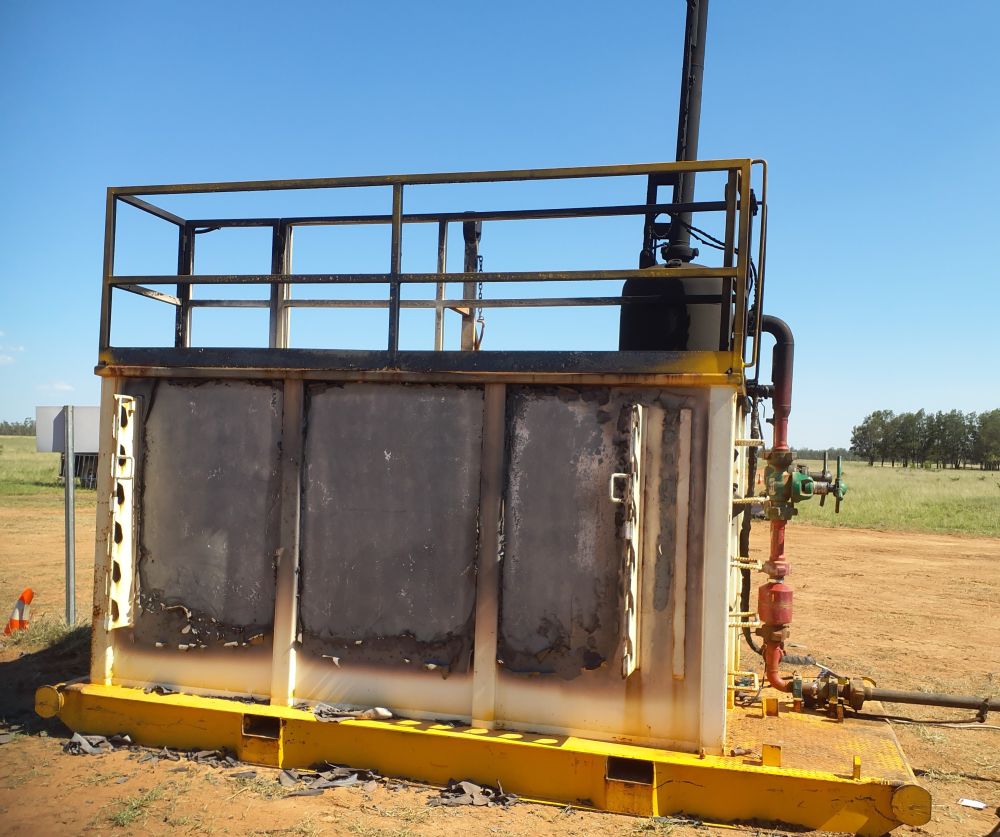
Figure 2: Side of the flare tank showing heat damage across the tank panels.
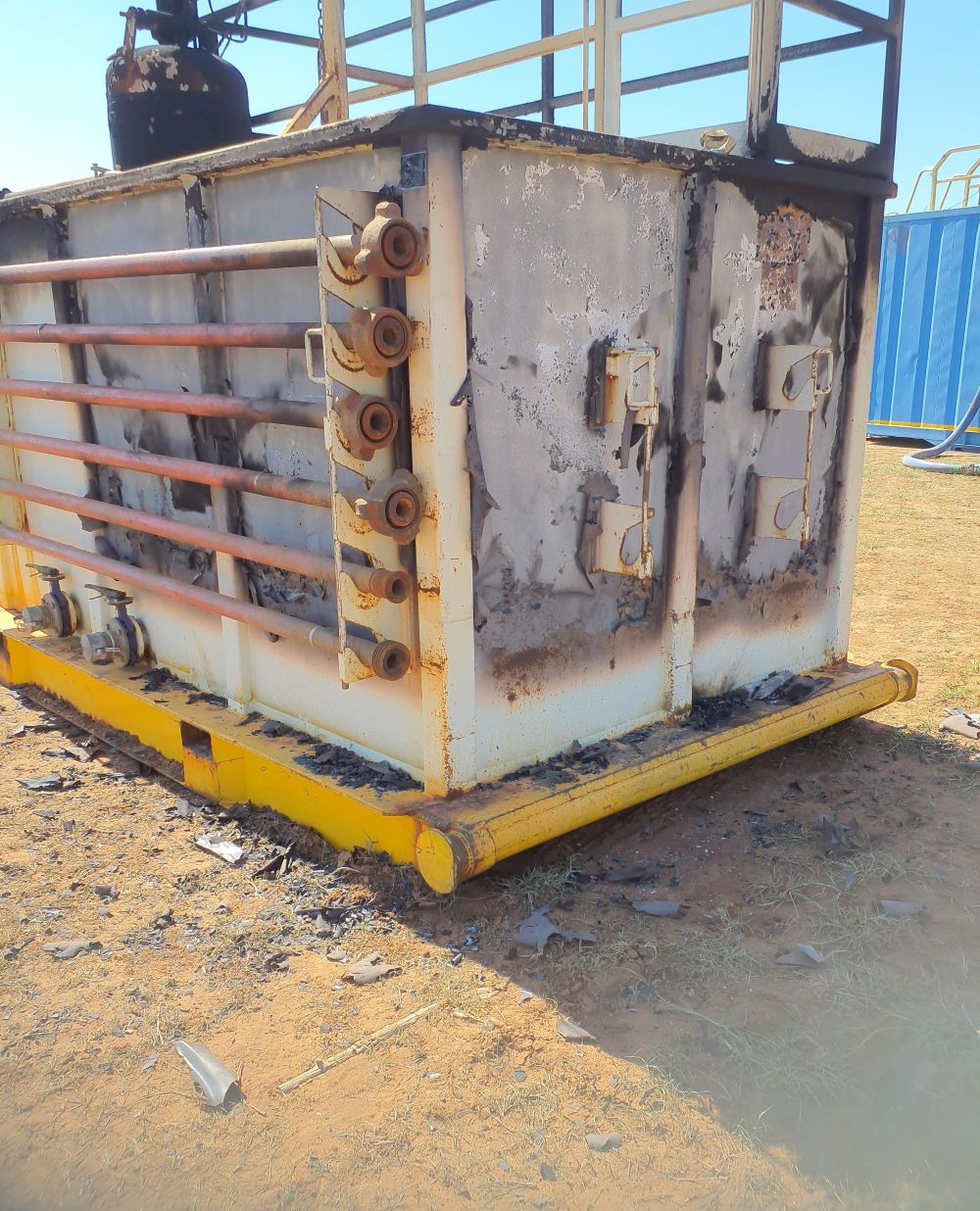
Figure 3: Corner of the flare tank showing heat damage and burnt paint debris on the ground.
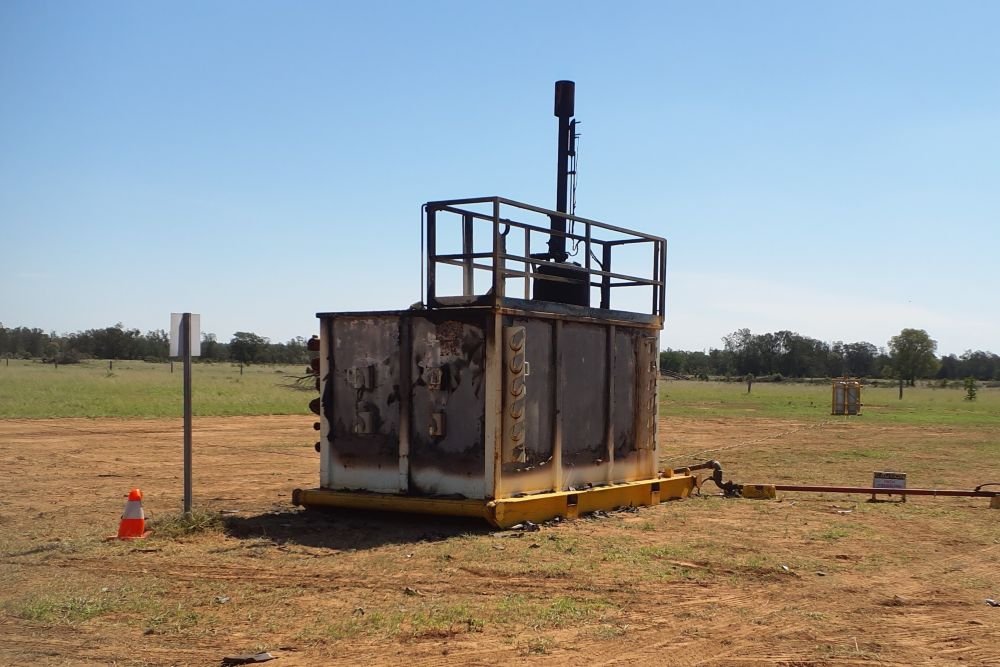
Figure 4: Flare tank on the lease, with pipework running back across the site.
Learnings
Further enquiries into this incident are under way. Additional learnings may be identified as more information becomes available.
For now, operators and executive safety managers should review their well control procedures, including well depressurisation, and check that:
- Safety management systems identify and assess all ignition source risks, state controls and test the emergency shutdown system (Petroleum and Gas (Safety) Regulation 2018, sections 25 and 32).
- Plans set out expected pressures, flow rates and fluids, including gas and condensate, and stop-work limits, and equipment such as flare tanks, separators and chokes is rated for worst credible conditions.
- Risk assessments include independent layers of protection, so a single failure of equipment, a procedure or a person does not lead to a fire, explosion or loss of well control, and are reviewed when conditions change.
- Engineering controls, including gas–liquid separation, pressure and gas monitoring and rapid well shut-in, are in place and tested before work starts.
- Key valves and controls are identified in procedures. Each worker understands and can demonstrate their role in a procedure, the valve sequencing to be used, stop work limits and what do if conditions change.
- Equipment required for the operation is installed and tested prior to the operation commencing.
RSHQ issues Safety and Health Alerts to highlight serious incidents, raise awareness of risks and prompt assessment of existing controls.
Investigations are ongoing. Information within this Safety and Health Alert is accurate at the time of publishing and further detail may be released as investigations progress.
References and further information
- Petroleum and Gas (Safety) Regulation 2018, sections 25 and 32
- Petroleum and Gas (Production and Safety) Act 2004
Industry standards:
- API RP 59, Recommended Practice for Well Control Operations
- API RP 90-2, Annular Casing Pressure Management for Onshore Wells
- API Standard 53, Well Control Equipment Systems for Drilling Wells
- API Specification 16C, Choke and Kill Equipment
- API RP 54, Occupational Safety and Health for Oil and Gas Well Drilling and Servicing Operations
- NORSOK D-010, Well integrity in drilling and well operations
- NORSOK D-002, Well intervention equipment
- ISO/TS 16530-2, Well integrity – Part 2: Well integrity for the operational phase
- IOGP Report 476, Recommendations for enhancements to well control training, examination and certification
- IWCF, Well Intervention Pressure Control programme
- IADC, WellSharp Well Servicing programme
Contact: gasSafe@rshq.qld.gov.au
Issued by Resources Safety & Health Queensland
Placement: Place this announcement on noticeboards and ensure all relevant people in your organisation receive a copy.
Find more Safety and Health Alerts
Search the hazards database