
Alert no. 474 | 25 May 2026 | Version 1
Invalid dust samples - increase in interference with equipment at coal mines
What happened?
- An increase in invalid respirable dust samples due to workers removing monitoring devices has been identified across several Queensland coal mines
- Accurate sampling is important to help understand workers’ exposure to airborne contaminants which can cause irreversible lung disease
- RSHQ is urging operators, sites and workers to address this behaviour
How did it happen?
- Respirable dust sampling measures worker exposure to respirable dust and respirable crystalline silica to ensure compliance with regulatory exposure limits.
- Sampling is essential to measuring exposure to airborne contaminants that can cause serious work-related diseases such as silicosis, black lung or COPD, all of which are permanent, progressive and preventable.
- In 2025, approximately 500 respirable dust samples measured at coal mines in Queensland were invalid (5.16%).
- Around one quarter of the invalid samples were deemed invalid due to coal mine workers removing the monitoring device.
- Those working in field maintenance, pre strip removal, blast crews, workshops and blast hole drillers accounted for around half of workers who removed monitoring pumps.
- Most of the invalid results were recorded at surface mines. However, invalid results were also detected at underground operations.
- Removal of personal monitoring equipment during a sampling shift means the pump will draw air from a space that is not representative of the person’s breathing zone, which makes the sample automatically invalid.
- Ultimately, this results in a lost opportunity to better understand personal exposure risk.
- When a respirable dust pump is removed or interfered with during monitoring:
- The dust sample becomes invalid and cannot be used for compliance purposes.
- The mine loses critical exposure monitoring data needed to understand the risk to workers and to assess the effectiveness of dust controls.
- Additional monitoring and investigations may be required.
- Coal mines are obligated to ensure sampling reflects actual workplace conditions to keep workers safe.
- Intentional interference with monitoring equipment may be considered ‘interference with safety equipment’ and may constitute a breach of obligations under Queensland law (Coal Mining Safety and Health Act 1999 sections 39 and 39A).
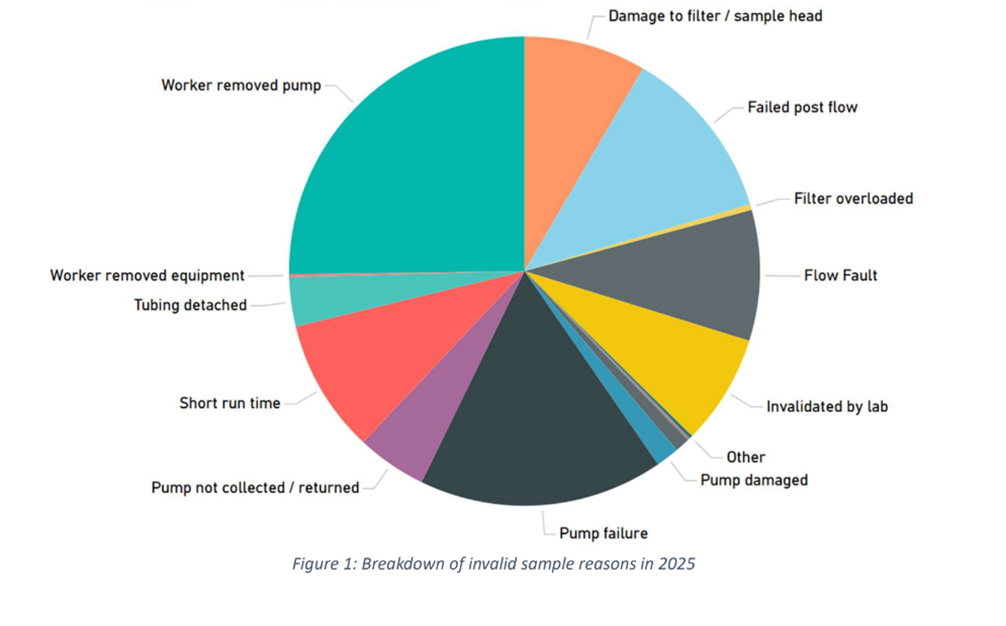
Figure 1: Breakdown of invalid sample reasons in 2025.
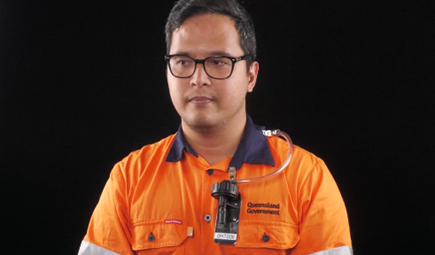
Figure 2: An example of the placement of the sampling device in the correct area (placed within the 300mm breathing zone).
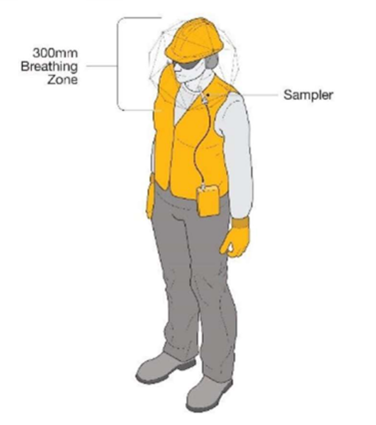
Figure 3: Example of a sampling equipment worn correctly.
Recommendations
- Respirable dust monitoring is an important step in protecting workers from serious and irreversible occupational disease.
- The integrity of the monitoring program relies on cooperation between service providers, mine management and workers. All parties must work together to ensure sampling pumps are worn correctly, monitoring equipment is not interfered with, and accurate exposure data is collected.
Site senior executives (SSEs) and mine operators:
- All SSEs and mine operators should review their respirable dust monitoring systems and ensure the integrity of monitoring activities at their mine sites. This includes:
- reviewing respirable dust monitoring procedures
- reinforcing expectations with workers and supervisors
- ensuring service providers document and report irregularities
- investigating and addressing any patterns of invalid sampling.
Coal mine site management:
- Coal mine operators and site leadership must ensure appropriate oversight of respirable dust monitoring programs. Site management should:
- provide training and awareness on the site’s occupational hygiene monitoring program
- ensure workers understand why pumps must remain in place during the full sampling period and reinforce expectations during pre-start meetings, toolbox talks and safety communications
- emphasise the importance of dust monitoring through supervisors, open cut examiners, explosion risk zone controllers and frontline leaders
- review exposure monitoring reports and investigate patterns of pump removal or interference and address contributing factors.
- Strong leadership messaging is essential to ensure workers understand respirable dust monitoring is an important health protection measure and integral to the mine’s safety and health management system.
Coal mine workers:
- Mine workers play a vital role in ensuring dust monitoring results accurately reflect workplace conditions and are reminded that:
- respirable dust sampling pumps must continue to be worn and sampling heads positioned within the breathing zone, for the full sampling period
- pumps or sampling heads must not be removed, turned off, obstructed or interfered with
- interfering with monitoring equipment may be considered interference with safety equipment
- workers have obligations under the Coal Mining Safety and Health Act 1999 (including Section 39 – Obligations of persons generally) and must participate in and conform to the risk management practices of the mine.
Occupational hygiene service providers:
- Service providers play a critical role in maintaining the integrity of respirable dust monitoring programs. Service providers should:
- clearly communicate the purpose and importance of respirable dust monitoring when issuing pumps to workers
- ensure workers understand pumps must remain worn with the sampling head positioned within the breathing zone for the full sampling period
- record field observations including evidence of pump removal, tampering, or abnormal operation of monitoring on the field monitoring sheet.
RSHQ will continue to collate and analyse the exposure monitoring data reported by mines and provide feedback on data trends, findings and important industry learnings.
References and further information
Coal Mining Safety and Health Act 1999 (sections 39 and 39A).
Contact: QldMinesInspectorate@rshq.qld.gov.au
Issued by Resources Safety & Health Queensland
Placement: Place this announcement on noticeboards and ensure all relevant people in your organisation receive a copy.
Find more safety notices
Search the hazards database